
Camping is an excellent way to escape the daily grind, embrace nature, and create lasting memories with friends and family. One of the joys of camping is cooking outdoors, whether it’s over an open fire, on a portable stove, or using a camp grill. But cooking in the great outdoors requires a little more planning than your typical kitchen setup. With the right food prep and cooking strategies, you can create delicious and satisfying meals that enhance your outdoor adventure.
In this guide, we’ll walk you through how to prep, pack, and cook meals for your next camping trip, from easy-to-prepare snacks to full-fledged dinners under the stars.
The key to successful food prep for camping is planning. When you’re cooking outdoors, you want to avoid hauling unnecessary ingredients or equipment. Planning your meals in advance will help you streamline the process, reduce waste, and ensure you have everything you need for a stress-free cooking experience.
Start by considering how many days you’ll be camping, how many people you’ll be cooking for, and what types of meals everyone enjoys. It’s essential to include a mix of easy, no-cook meals and more complex ones that you can prepare over the campfire or stove.
Here’s a simple meal plan breakdown to get you started:
Day 1:
Day 2:
When planning meals, make sure to include snacks like trail mix, granola bars, or fruit to keep energy levels up throughout the day.
Once you have your meals planned, it’s time to organize and pack your ingredients. Efficient packing is essential for easy cooking in the great outdoors.
Pre-Camp Prep
Start by prepping as much as possible before leaving for your trip. Chopping vegetables, marinating meat, and portioning out ingredients can save valuable time at the campsite. For example:
Packing Tips
Use clear containers, resealable bags, and coolers to keep ingredients organized and fresh. Label the bags with the corresponding meal or day to avoid confusion at the campsite.
Cooler Packing:
When packing a cooler, ensure you follow the “coldest on the bottom, warmest on top” rule. This will help keep everything fresh longer and prevent cross-contamination of raw and cooked foods. Keep meats and dairy products in a separate cooler or insulated bag to maintain their temperature.
Non-refrigerated Items:
Some ingredients, like canned goods, pasta, rice, or dried grains, can be stored at room temperature, making them easy to pack. Consider packing items like:
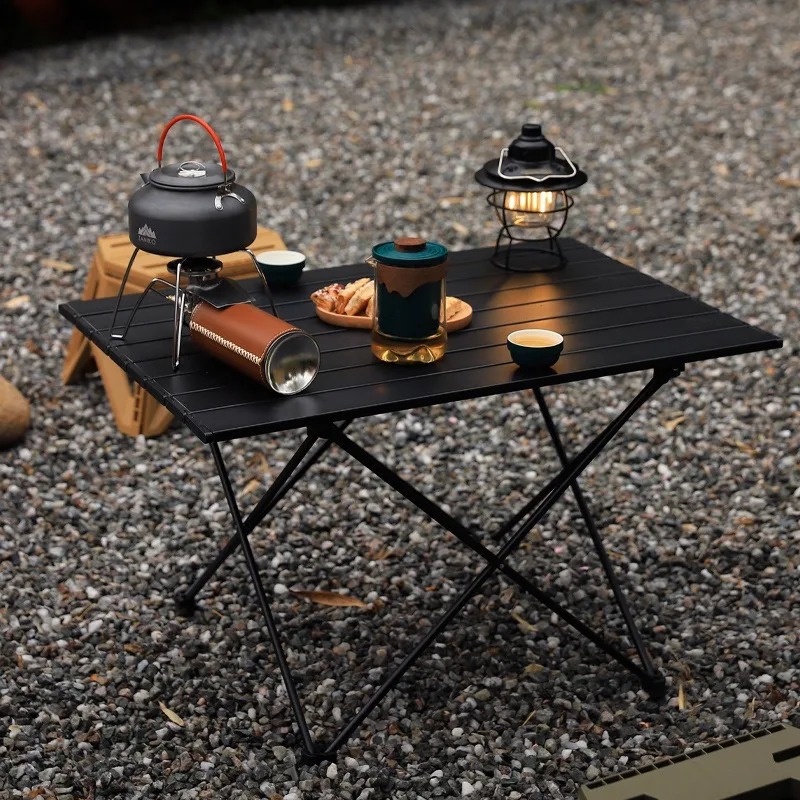
The cooking equipment you bring with you depends on the campsite’s amenities (if any) and the types of meals you plan to prepare. Here’s a list of common outdoor cooking equipment you might need for your trip:
Portable Stove or Camping Grill
If you’re looking for the convenience of a kitchen stove while camping, a portable stove or camping grill is your best option. These come in single or double burners and work with propane canisters. You can easily cook meals like pasta, eggs, and stir-fries on a portable stove, or grill burgers and vegetables on a camping grill.
Campfire Cooking Tools
Cooking over an open fire is a classic camping experience. You’ll need:
Camping Cookware
Cooking over a campfire is one of the most fun parts of camping, but it does take a little more effort than cooking indoors. Here are some tips for campfire cooking success:
Start with a Proper Fire
Build your campfire early enough so that you have a steady bed of hot coals to cook over. Use dry wood to ensure a consistent burn. You can also build a two-zone fire: one side with large logs for long-term heat, and the other with smaller pieces of wood for direct heat when cooking.
Campfire Cooking Techniques
Safety Tip: Always keep a bucket of water or a fire extinguisher nearby when cooking over an open flame to avoid accidents.
There will be days when you want to keep cooking to a minimum. On those days, no-cook meals are your best option. Here are some ideas:
One of the most important aspects of camping is being mindful of nature. Always follow the “Leave No Trace” principles by cleaning up after yourself and leaving the campsite as you found it. Be sure to pack out all trash and leftover food. Avoid burning garbage in the fire, as it can release harmful toxins.
If you have leftover food, make sure to store it properly to avoid attracting wildlife. Use airtight containers and keep food in coolers or hang it away from your tent in a bear-safe bag. Dispose of food scraps by packing them out or using a designated waste disposal area.
Conclusion
With the right planning, food prep, and cooking equipment, your camping meals can be just as enjoyable as your time spent outdoors. From easy no-cook meals to campfire feasts, outdoor cooking is all about creativity, simplicity, and savoring the flavors of nature. So, pack your gear, gather your ingredients, and get ready to cook up some unforgettable meals on your next camping adventure!